Whether you’re a seasoned boater or just getting started, understanding your boat’s gauges is crucial for safe and efficient operation. Marine gauges provide essential information about your vessel’s performance, helping you monitor everything from speed and fuel levels to engine health and battery status.
In this guide, we’ll break down the most common marine gauges, their functions, and tips for choosing the right ones for your boat.
What Are Marine Gauges?
Marine gauges are specialized instruments designed to measure and display various aspects of your boat’s performance and environment. Built to withstand harsh marine conditions, these gauges are essential for monitoring your boat’s systems and ensuring safe operation.
Types of Marine Gauges
Here’s a breakdown of the most commonly used marine gauges:
-
Speedometer
Measures the boat’s speed over water. GPS speedometers offer greater accuracy compared to traditional pitot tube systems. -
Tachometer
Displays the engine’s RPM (revolutions per minute). Monitoring RPM helps prevent over-revving, prolonging engine life. -
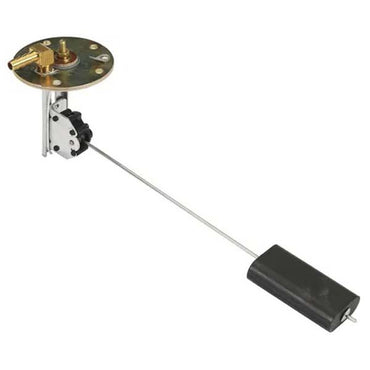
Fuel Gauge
Indicates the amount of fuel remaining in your tank. Accurate readings are essential for planning long trips and avoiding unexpected breakdowns. -
Voltage Gauge (Battery Monitor)
Measures battery voltage to ensure proper charging and electrical system health. Low voltage can indicate charging issues or battery deterioration. -
Oil Pressure Gauge
Monitors engine oil pressure, which is critical for maintaining engine performance and avoiding damage. -
Temperature Gauge
Displays engine temperature. Overheating can cause severe engine damage, so this gauge is essential for early detection. -
Trim Gauge
Indicates the position of the outboard or stern drive. Proper trim adjustment improves efficiency and handling. -
Water Pressure Gauge
Measures the cooling water flow rate, which is important for avoiding engine overheating. -
Depth Finder
Provides information about water depth below the boat. Essential for navigation in shallow areas. -
Hour Meter
Tracks engine running hours for maintenance scheduling.
Choosing the Right Marine Gauges
When selecting marine gauges, consider the following factors:
-
Compatibility: Ensure the gauges are compatible with your boat’s engine and electrical systems.
-
Durability: Opt for gauges designed to resist corrosion, water intrusion, and UV damage.
-
Readability: Choose gauges with clear displays that are easy to read in various lighting conditions.
-
Digital vs. Analog: Digital gauges provide more precision and advanced features, while analog gauges offer simplicity and reliability.
Installing Marine Gauges
Proper installation is essential for accurate readings. Consult your boat’s manual or a marine professional to ensure correct wiring and calibration. Also, regularly inspect and maintain your gauges for longevity and reliability.
Conclusion
Understanding and maintaining your marine gauges can make a significant difference in your boating experience. Whether you’re upgrading your boat or simply replacing faulty gauges, choosing the right instruments is essential for safe and enjoyable outings.
Ready to enhance your boat’s dashboard? Check out our Marine Gauges Collection for top-quality options suited to all types of vessels.
Happy boating!
Prev post

Marine Radar Guide: Understanding Different Types and How to Choose the Right One
Updated on 01 March 2026
Next post

Beginner's Guide to Rebuilding a Pontoon Boat
Updated on 04 July 2025