












Polyester vs Vinyl Ester vs Epoxy: Which Resin Should You Use?

21 February 2026
Here's a straightforward comparison to help you choose the right resin for your project.
Quick Comparison
| Property | Polyester | Vinyl Ester | Epoxy |
|---|---|---|---|
| Cost | $ (Lowest) | $$ (Mid) | $$$ (Highest) |
| Strength | Good | Very Good | Excellent |
| Water Resistance | Fair | Excellent | Excellent |
| Adhesion | Fair | Good | Excellent |
| Shrinkage | High (7-8%) | Moderate (5-6%) | Very Low (1-2%) |
| Cure Time | Fast | Fast | Slow-Medium |
| Works with CSM? | Yes | Yes | No* |
| Odor/Fumes | Strong | Strong | Mild |
*Standard CSM binder doesn't dissolve in epoxy. Use woven cloth or epoxy-compatible mat.
Polyester Resin
Polyester is the most affordable and widely used resin in fiberglass work. It's the workhorse of the marine industry for good reason.
Pros:
- Lowest cost per gallon
- Fast cure time
- Easy to find at any marine store
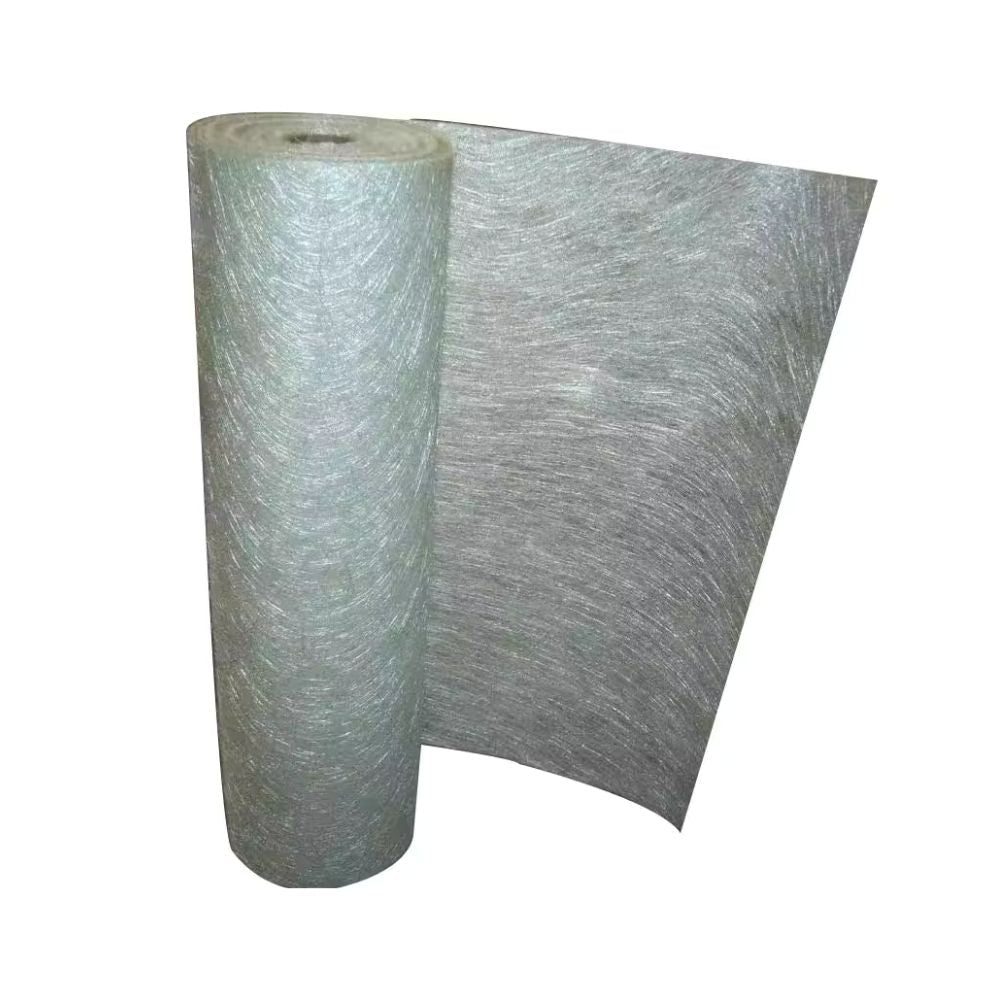
- Works great with chopped strand mat
- Proven track record in boat building
Cons:
- Higher shrinkage can cause print-through
- Weaker secondary bonds (bonding to cured fiberglass)
- Strong styrene odor—needs good ventilation
- More prone to osmotic blistering over time
Best For:
- New fiberglass construction
- Non-structural repairs
- Budget projects
- Production work where cost matters
Vinyl Ester Resin
Vinyl ester is the middle ground—stronger than polyester with better water resistance, but not as expensive as epoxy.
Pros:
- Excellent water/chemical resistance
- Better elongation (more flexible than polyester)
- Stronger secondary bonds than polyester
- Works with CSM and woven fabrics
- Industry standard for below-waterline work
Cons:
- More expensive than polyester
- Still has styrene odor
- Shorter shelf life than epoxy
- Still shrinks (though less than polyester)
Best For:
- Below-waterline repairs
- Osmotic blister repair
- Fuel tank construction
- Chemical-resistant applications
- When you need better than polyester but can't justify epoxy cost
Epoxy Resin
Epoxy is the premium choice—strongest adhesion, lowest shrinkage, and best overall performance. It's what professionals reach for when the job has to be right.
Pros:
- Exceptional adhesion to wood, metal, and cured fiberglass
- Minimal shrinkage—won't pull away from surfaces
- Superior strength and fatigue resistance
- Low odor compared to polyester/vinyl ester
- Excellent moisture barrier
- Can be used as a clear coating
Cons:
- Highest cost
- Slower cure (can be good or bad)
- Not compatible with standard CSM
- UV sensitive—needs paint or varnish protection
- More sensitive to mixing ratios
Best For:
- Wood-to-fiberglass bonding (transoms, stringers)
- Structural repairs requiring maximum strength
- Clear coating and brightwork
- Cold molding and strip planking
- Any repair where adhesion is critical
Compare popular epoxy systems in our guide: Hawk Epoxy vs West System
Choosing the Right Resin: Decision Guide
Choose Polyester if:
- ✅ Budget is the primary concern
- ✅ Building new fiberglass layups (not repairs)
- ✅ Using chopped strand mat
- ✅ Above-waterline, non-structural work
Choose Vinyl Ester if:
- ✅ Working below the waterline
- ✅ Repairing osmotic blisters
- ✅ Need chemical resistance
- ✅ Want better than polyester without epoxy cost
Choose Epoxy if:
- ✅ Bonding to wood (plywood, stringers, transoms)
- ✅ Maximum strength is required
- ✅ Secondary bonding to cured fiberglass
- ✅ Clear coating applications
- ✅ The repair absolutely cannot fail
Can You Mix Resin Types?
Short answer: Yes, with caveats.
You can apply epoxy over cured polyester or vinyl ester—epoxy sticks to almost anything. However, you cannot apply polyester or vinyl ester over cured epoxy. The amine blush on cured epoxy prevents proper adhesion.
If you need to layer different resins:
- Epoxy can go over anything (with proper surface prep)
- Polyester/vinyl ester only over themselves or bare fiberglass
- Always sand between layers regardless of resin type
Resin and Fabric Compatibility
| Fabric Type | Polyester | Vinyl Ester | Epoxy |
|---|---|---|---|
| Chopped Strand Mat | ✅ Excellent | ✅ Excellent | ❌ No* |
| Woven Cloth | ✅ Good | ✅ Good | ✅ Excellent |
| Biaxial (with CSM) | ✅ Excellent | ✅ Excellent | ⚠️ CSM side issues |
| Biaxial (no CSM) | ✅ Good | ✅ Good | ✅ Excellent |
| Carbon Fiber | ⚠️ Okay | ⚠️ Okay | ✅ Best choice |
*Standard CSM uses a styrene-soluble binder that won't dissolve in epoxy.
Learn more about fabric selection: Biaxial vs Chopped Strand Mat
Cost Comparison
Approximate pricing (varies by brand and quantity):
- Polyester: $30-50 per gallon
- Vinyl Ester: $50-80 per gallon
- Epoxy: $80-150 per gallon
Remember: resin cost is just one factor. Epoxy's lower resin-to-fabric ratio (1:1 vs 2:1 for CSM) and superior performance often justify the higher price for critical applications.
Safety Considerations
All three resins require proper safety precautions:
- Ventilation: Essential for polyester and vinyl ester (styrene fumes). Epoxy is lower odor but still needs airflow.
- Skin protection: Nitrile gloves for all. Epoxy can cause sensitization with repeated exposure.
- Eye protection: Always wear safety glasses.
- Respirator: Recommended for all, especially in enclosed spaces.
Shop Resin Systems
Ready to start your project? We stock quality resins for every application:
Not sure which resin is right for your project? Contact us—we help customers choose the right materials every day.
]]>Prochain article

Quel tissu en fibre de verre Oz utiliser : un guide complet
Mis à jour le 21 February 2026