










Resin Calculator
My Project
No calculations saved yet.
Run a calculation, then click "Save to Project" to add it here.
Fiberglass Hand Layup
Tabletop / Bar Top
Epoxy Fillet
Vacuum Bagging
Your calculation will appear here
Fill in the form and click Calculate to get your resin estimate.
Resin Reference Guide
Everything you need to estimate resin for your project — fabric consumption rates, coating coverage, fillet volumes, and resin properties. Use these tables alongside the calculator or on their own to plan materials.
Fabric Resin Consumption Rates
Resin consumption per square foot per layer. Vacuum bagging uses 25–35% less resin than hand layup due to vacuum compression at 20–25 inHg.
| Fabric | Weight | Hand Layup oz/sqft/layer |
Vacuum Bag oz/sqft/layer |
Waste Hand / Vac |
Best For |
|---|---|---|---|---|---|
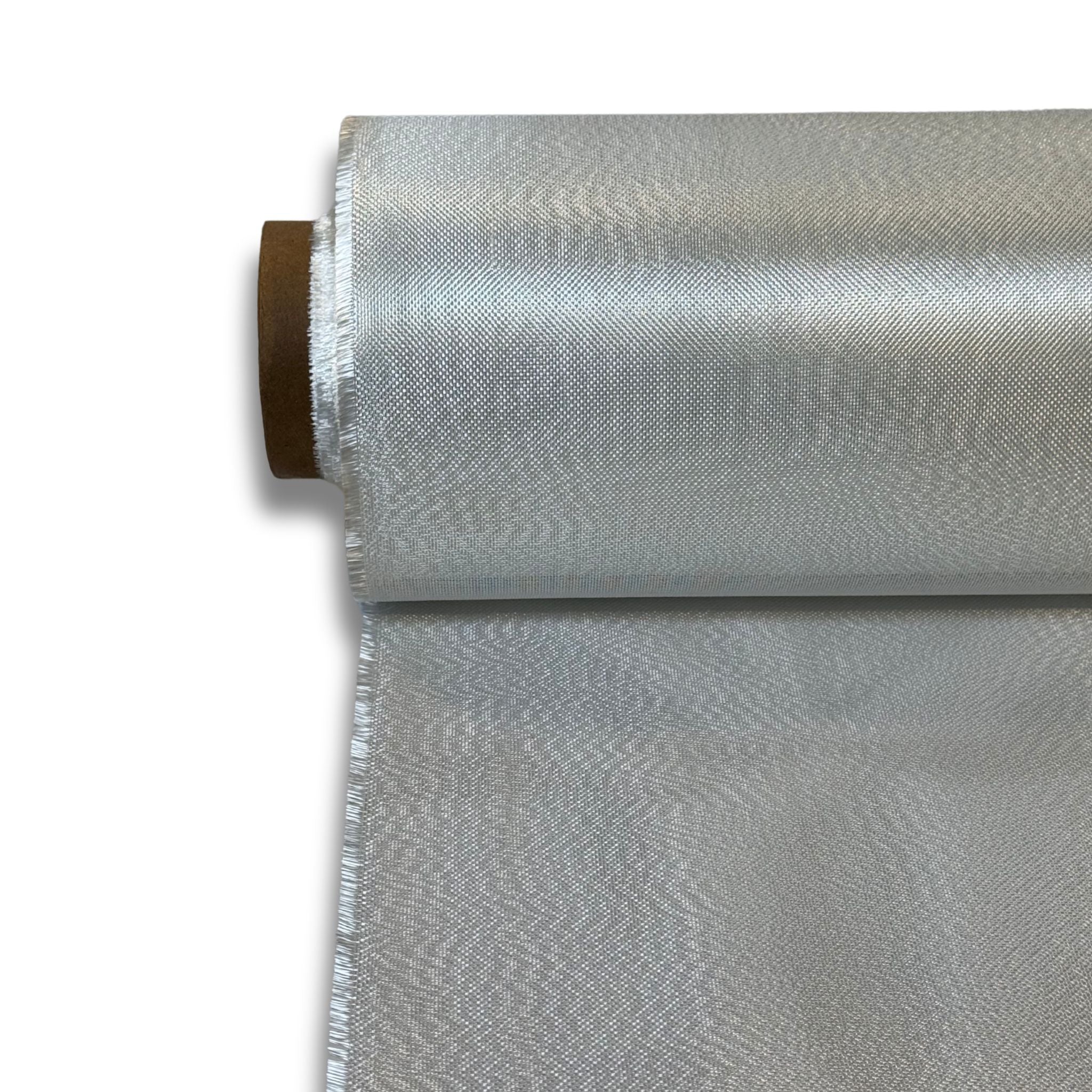
| Fiberglass Cloth | 4 oz | 4.0 | 2.8 | 15% / 10% | Kayaks, canoes, light repairs |
| Fiberglass Cloth | 6 oz | 6.0 | 4.2 | 15% / 10% | Hulls, decks, general marine work |
| Fiberglass Cloth | 10 oz | 10.0 | 7.0 | 15% / 10% | Keels, skegs, high-impact areas |
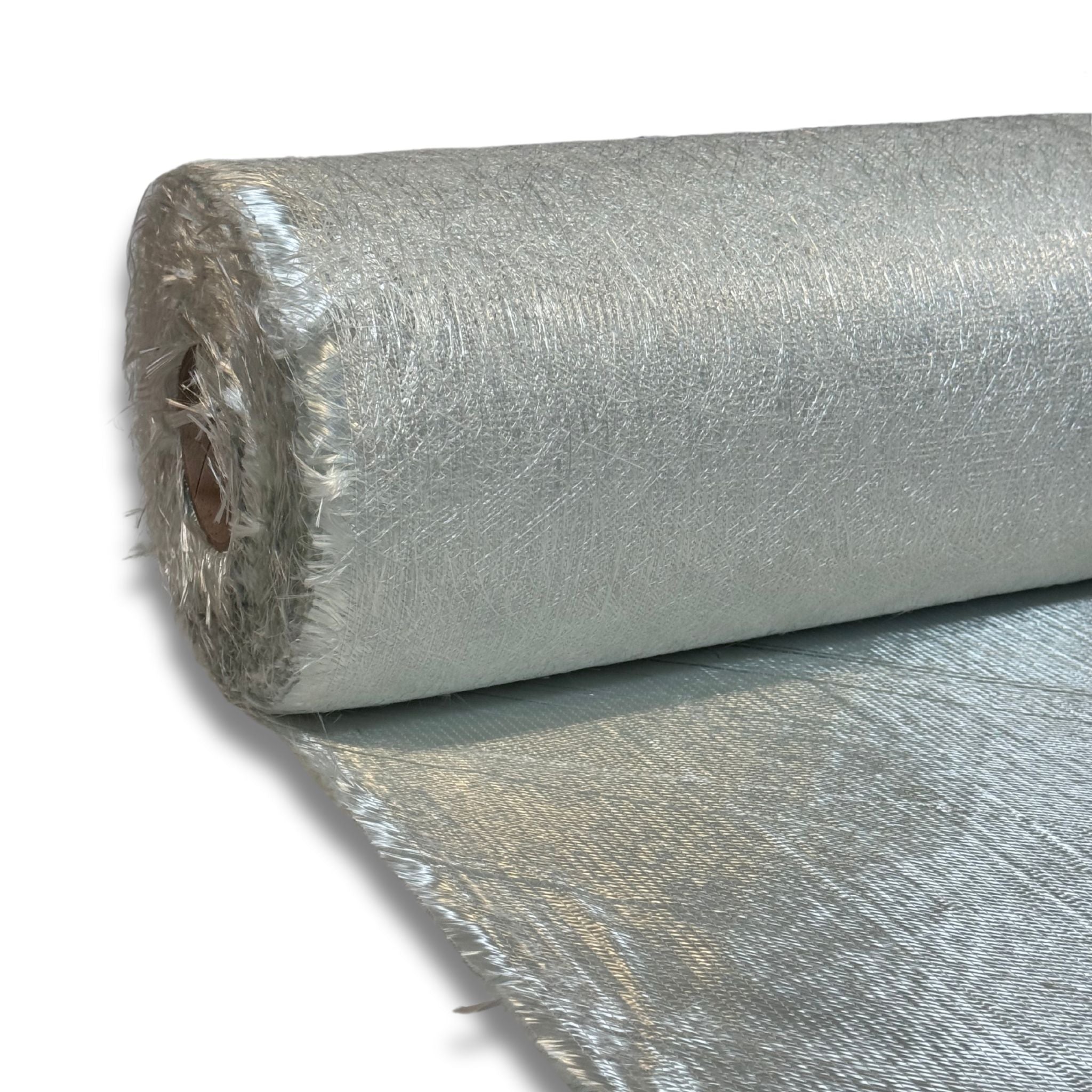
| 1708 Biaxial | 17 oz | 14.0 | 9.8 | 20% / 10% | Stringers, transoms, major structural |
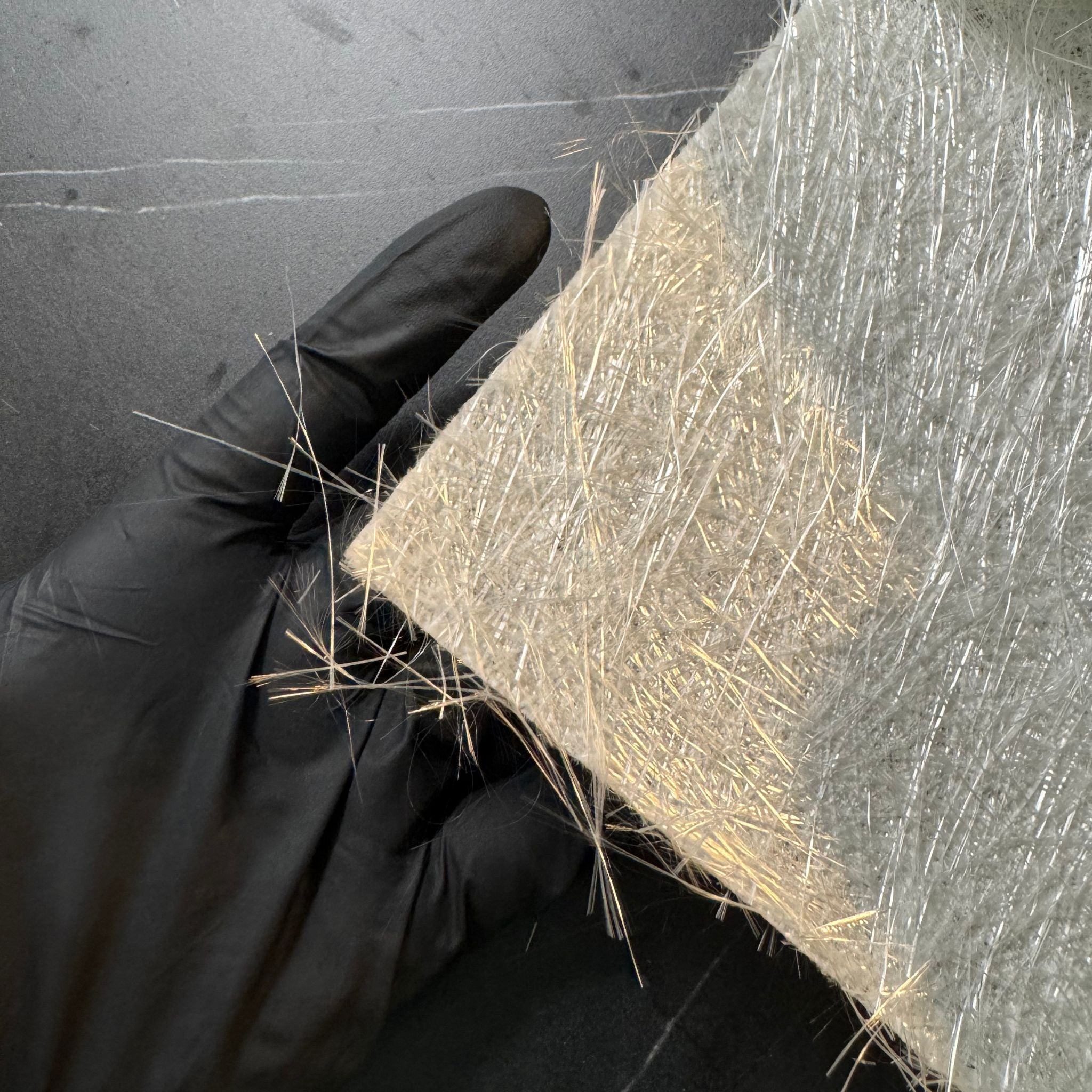
| Chopped Strand Mat | 3/4 oz | 5.0 | 3.5 | 15% / 10% | Tabbing, filler layers |
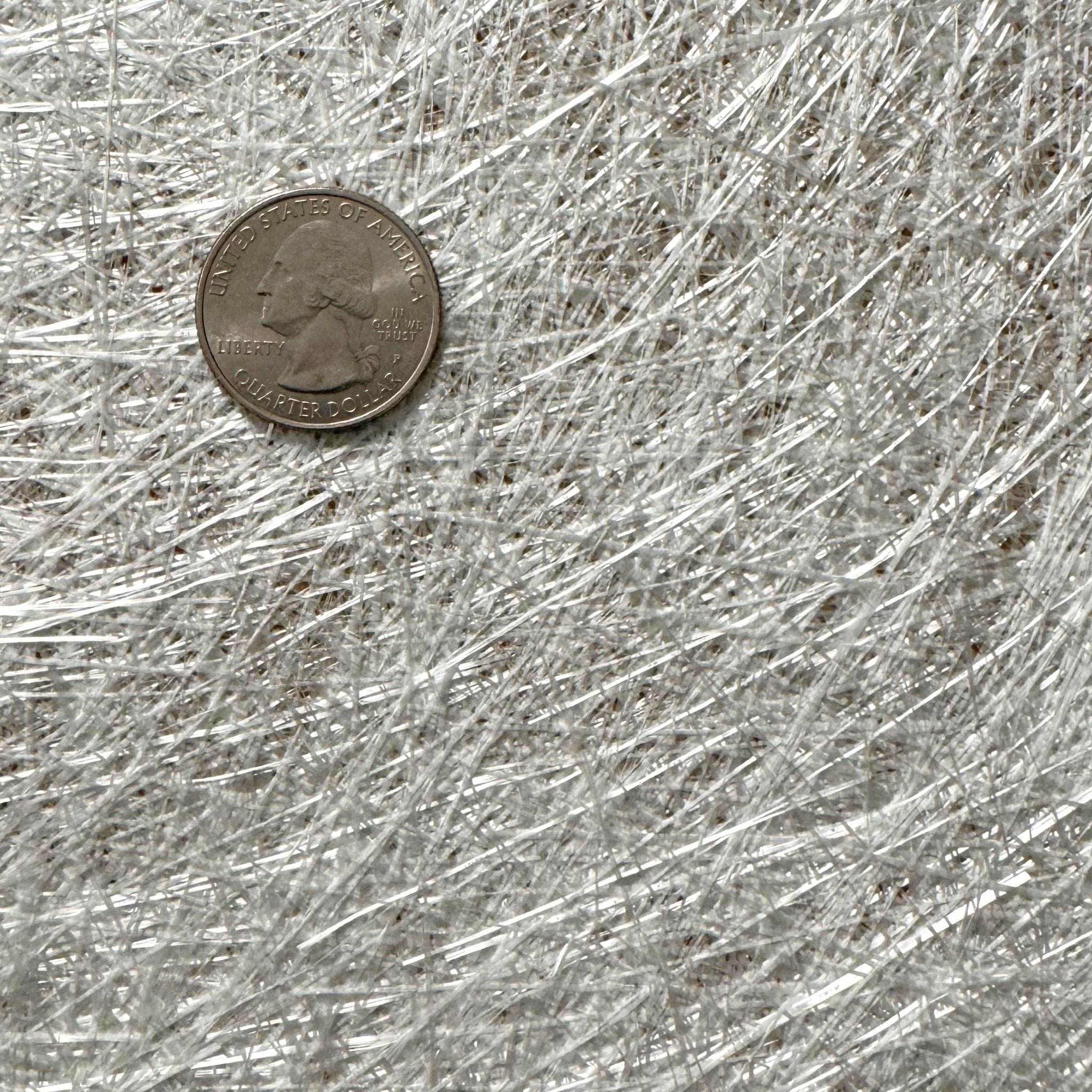
| Chopped Strand Mat | 1.5 oz | 8.0 | 5.6 | 15% / 10% | Joints, tabbing, secondary bonding |
| Carbon Fiber | 5.7 oz | 5.0 | 3.5 | 20% / 10% | Lightweight high-strength panels |
| Kevlar (Aramid) | 5 oz | 6.0 | 4.2 | 20% / 10% | Impact resistance, abrasion protection |
Waste factor covers mixing waste, drips, and pot-life losses. Biaxial, carbon, and Kevlar use a higher waste factor due to more complex wet-out.
Tabletop Flood Coat Coverage
How much surface area one gallon of resin covers at each flood coat thickness. Coverage shown before and after accounting for 15% waste (edge drips and mixing losses).
| Thickness | Description | Coverage sqft / gallon (neat) |
Coverage sqft / gallon (w/ waste) |
Gallons per 10 sqft |
|---|---|---|---|---|
| 1/16" | Thin coat — primer or light seal | 25.7 | 22.3 | 0.45 |
| 1/8" | Standard flood coat — most projects | 12.8 | 11.2 | 0.90 |
| 1/4" | Thick flood coat — deep-pour look | 6.4 | 5.6 | 1.79 |
Gallons = (Area in sqft × 144 × Thickness in inches) ÷ 231 × 1.15
231 cubic inches per gallon · 144 square inches per square foot
Most tabletop projects use a thin seal coat first (0.32 oz/sqft), then one or two flood coats. The seal coat prevents air bubbles from wood outgassing into the flood coat.
Fillet Joint Volume by Radius
Fillet cross-section is a quarter-circle. Larger radius fillets use significantly more resin per foot of joint. All values include 15% waste factor.
| Radius | Description | Cross-Section sq inches |
Volume per Foot cubic inches |
Gallons per 10 ft |
|---|---|---|---|---|
| 3/8" | Small fillet — light joints | 0.11 | 1.33 | 0.07 |
| 1/2" | Medium fillet | 0.20 | 2.36 | 0.12 |
| 3/4" | Standard fillet — most boat joints | 0.44 | 5.30 | 0.26 |
| 1" | Large fillet — heavy structural joints | 0.79 | 9.42 | 0.47 |
Gallons = (π × r² ÷ 4 × Length in ft × 12) ÷ 231 × 1.15
Quarter-circle cross-section · converted to linear inches · 231 cubic inches per gallon
Fillets use thickened resin (mixed with colloidal silica or wood flour). The thickener itself adds negligible volume — estimate based on liquid resin volume.
Seal Coat Coverage
A seal coat is a thin brush-on layer of un-thickened resin applied to raw wood before layup or flood coating. It penetrates the grain, prevents air bubbles from outgassing, and improves adhesion.
| Property | Value |
|---|---|
| Application rate | 0.32 oz per square foot |
| Waste factor | 10% (less waste than layup — thin brush application) |
| Coverage per gallon | ~364 sqft (neat) · ~331 sqft (with 10% waste) |
| Coverage per quart | ~91 sqft (neat) · ~83 sqft (with waste) |
| When to use | Bare wood before fiberglass layup, before tabletop flood coats, optionally before fillets |
Gallons = (Area in sqft × 0.32 oz) ÷ 128 × 1.10
128 oz per gallon · 10% waste factor for brush application
Resin Types Compared — Epoxy vs Polyester vs Vinyl Ester
Properties vary by manufacturer and formulation. Values below are typical ranges for marine-grade resins at 77°F (25°C).
| Property | Epoxy | Polyester | Vinyl Ester |
|---|---|---|---|
| Viscosity (mixed) | 900–1,100 cP | 500–800 cP | 400–600 cP |
| Mix ratio | 2:1 to 4:1 by volume (resin : hardener) | 1–2% MEKP catalyst by weight | 1–2% MEKP catalyst by weight |
| Pot life (77°F) | 15–45 min (varies by hardener speed) | 10–20 min | 15–25 min |
| Cure to handling | 6–24 hours | 2–4 hours | 3–6 hours |
| Full cure | 7–14 days (or post-cure with heat) | 24–48 hours | 24–48 hours |
| Shrinkage | Less than 1% | 6–8% | 3–5% |
| Adhesion to wood | Excellent | Fair | Good |
| Water resistance | Excellent | Fair to Good | Excellent |
| Chemical resistance | Good | Fair | Excellent |
| UV resistance | Fair (needs topcoat or UV additive) | Fair | Fair |
| Compatible fabrics | All (use stitched mat, not CSM) | All (CSM preferred for bonding layers) | All |
| Odor / VOCs | Low | High (styrene) | Moderate (styrene) |
| Relative cost | $$$ | $ | $$ |
Viscosity and Working Characteristics
Viscosity determines how easily resin wets out fabric. Lower viscosity resins flow into weave more readily, while higher viscosity resins stay put on vertical surfaces. Epoxy is the thickest of the three but offers the best mechanical properties and near-zero shrinkage — critical for marine applications where watertight integrity matters.
Temperature effects: Viscosity drops as temperature rises. Working at 75–85°F gives optimal flow. Below 60°F, epoxy becomes sluggish and may not cure properly. Above 90°F, pot life shortens dramatically — mix smaller batches.
Epoxy Cure Speed and Mix Ratios
Epoxy hardeners come in different speeds. The mix ratio changes with the hardener — this is not interchangeable. Using the wrong ratio will result in a soft, under-cured layup.
| Hardener Speed | Mix Ratio (by volume) | Pot Life (77°F) | Cure to Handle | Best For |
|---|---|---|---|---|
| Slow | 2 : 1 (resin : hardener) | 30–45 min | 18–24 hrs | Large layups, warm weather, tabletops |
| Medium | 3 : 1 (resin : hardener) | 20–30 min | 10–16 hrs | General-purpose, moderate temp |
| Fast | 4 : 1 (resin : hardener) | 12–18 min | 6–9 hrs | Small repairs, cold weather, fillets |
All Calculation Formulas
The exact formulas this calculator uses. All results are rounded to two decimal places.
Fiberglass / Vacuum Bagging
Resin (gallons) = Area (sqft) × Layers × Resin Rate (oz/sqft) ÷ 128 × (1 + Waste Factor)
128 oz per gallon · Resin rate and waste factor depend on fabric type and method (see table above)
Example: 50 sqft of 6 oz cloth, 2 layers, hand layup → 50 × 2 × 6 ÷ 128 × 1.15 = 5.39 gallons
Tabletop Flood Coat
Resin (gallons) = (Area (sqft) × 144 × Thickness (inches)) ÷ 231 × (1 + Waste Factor)
Converts sqft to sqin, then multiplies by thickness for cubic inches · 231 cubic inches per gallon
Example: 12 sqft at 1/8" thick → (12 × 144 × 0.125) ÷ 231 × 1.15 = 1.08 gallons
Fillet Joint
Resin (gallons) = (π × r² ÷ 4 × Length (ft) × 12) ÷ 231 × (1 + Waste Factor)
Quarter-circle cross-section · length converted to inches · 231 cubic inches per gallon
Example: 30 linear feet at 3/4" radius → (π × 0.75² ÷ 4 × 30 × 12) ÷ 231 × 1.15 = 0.79 gallons
Seal Coat
Resin (gallons) = (Area (sqft) × 0.32 oz) ÷ 128 × 1.10
0.32 oz per sqft application rate · 10% waste factor for thin brush-on coats
Example: 50 sqft seal coat → (50 × 0.32) ÷ 128 × 1.10 = 0.14 gallons
Constants Used
| Ounces per gallon | 128 |
| Cubic inches per gallon | 231 |
| Square inches per square foot | 144 |
| Inches per foot | 12 |
| Seal coat rate | 0.32 oz/sqft |
Calculateur d'époxy
Calculez la quantité d'époxy nécessaire grâce à notre calculateur de résine époxy. Obtenez des estimations précises pour vos projets de construction, de réparation et de revêtement de bateaux, afin de garantir une application optimale.
Fibre de verre et carbone
Collection en vedette
Fibre de verre biaxiale 1708
Tapis de fibres de verre hachées de 1,5 oz
Tissu en fibre de verre 4 oz
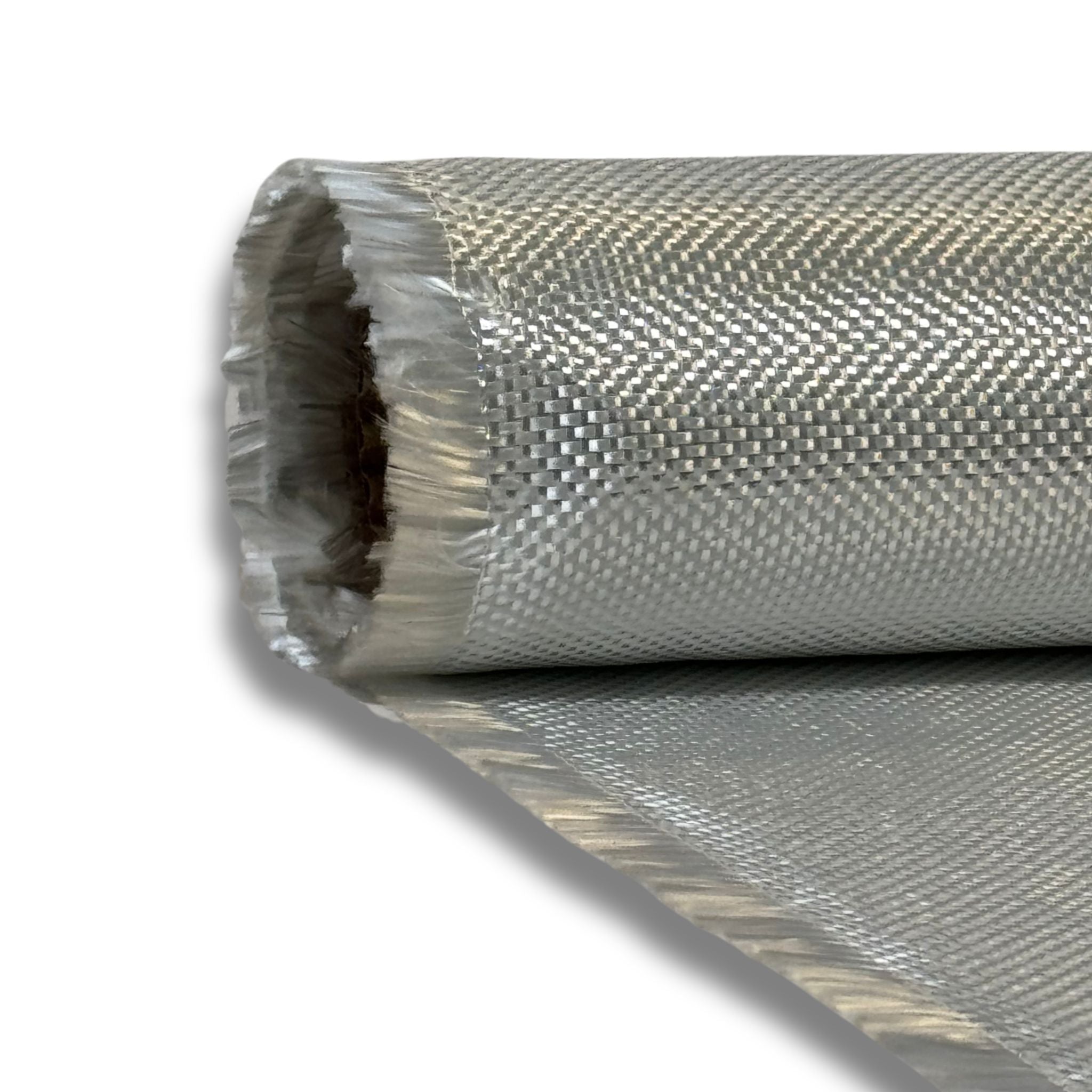
Tissu en fibre de verre 6 oz