











How Many Layers of Fiberglass for Boat Repair

02 March 2026
One of the most common questions in fiberglass work: how many layers do I actually need? The answer depends on your application, the mat weight you're using, and how much strength you need. This guide gives you specific layer counts for common boat repairs.

Quick Reference Chart
| Application | 0.75oz Mat | 1.5oz Mat | 10oz Cloth |
|---|---|---|---|
| Cosmetic repairs | 2-3 layers | 1-2 layers | 2-3 layers |
| Gelcoat backing | 2-3 layers | 1-2 layers | 2 layers |
| Boat floor (over plywood) | 4-6 layers | 2-3 layers | 3-4 layers |
| Transom core | 8-12 layers | 4-6 layers | 6-8 layers |
| Transom skin | 4-6 layers | 2-3 layers | 3-4 layers |
| Stringer tops | 4-6 layers | 2-3 layers | 3-4 layers |
| Stringer tabbing | 6-8 layers | 3-4 layers | 4-5 layers |
| Hull patch | Match + 2 | Match + 1 | Match + 2 |
| Splash mold | 6-8 layers | 3-4 layers | 4-6 layers |
Understanding Layer Thickness
Each layer adds approximately:
- 0.75oz CSM: ~0.015" (0.4mm) per layer
- 1.5oz CSM: ~0.030" (0.8mm) per layer
- 10oz Cloth: ~0.012" (0.3mm) per layer
So 4 layers of 1.5oz mat ≈ 8 layers of 0.75oz mat in final thickness.
Boat Floor Over Plywood

For fiberglassing plywood boat floors:
Minimum (light duty):
- Bottom: 2 layers 1.5oz CSM
- Top: 2 layers 1.5oz CSM
Recommended (standard duty):
- Bottom: 3 layers 1.5oz CSM
- Top: 2-3 layers 1.5oz CSM
Heavy duty (fishing boats, high traffic):
- Bottom: 3 layers 1.5oz CSM + 1 layer 10oz cloth
- Top: 3 layers 1.5oz CSM
Transom Replacement
Transoms take the most stress. Don't skimp here.
Inner skin (against core):
- 2-3 layers 1.5oz CSM
Outer skin (exposed):
- 3-4 layers 1.5oz CSM, or
- 2 layers 1.5oz CSM + 2 layers 10oz cloth
Motor mount area (if reinforcing):
- Additional 2-3 layers where brackets bolt through
Stringer Repair & Tabbing
When glassing stringers back to the hull:
Stringer tops:
- 2-3 layers 1.5oz CSM over wood/foam core
Tabbing to hull (each side):
- 3-4 layers 1.5oz CSM
- Overlap at least 2" onto hull and 2" up stringer
- Stagger each layer wider than the last
Hull Patches
For through-hull damage, match the original thickness plus add extra:
- Measure original laminate thickness
- Bevel edges 12:1 ratio (12" bevel per 1" thickness)
- Build up layers from largest to smallest
- Add 1-2 extra layers beyond original
Combining Mat and Cloth
Best practice layup schedule:
- CSM against the mold/surface (bonds well, fills texture)
- Alternate CSM and cloth for strength
- CSM as final layer (sands easier, takes paint/gelcoat better)
Example heavy-duty schedule:
- Layer 1: 1.5oz CSM
- Layer 2: 10oz Cloth
- Layer 3: 1.5oz CSM
- Layer 4: 10oz Cloth
- Layer 5: 1.5oz CSM
Pro Tips
- Wet out completely - No dry spots or air bubbles
- Don't over-saturate - Resin-heavy layups are weaker
- Work quickly - Lay all layers while resin is still tacky
- Stagger seams - Never align edges of adjacent layers
- Sand between sessions - If resin fully cures, sand before adding more
Materials Calculator
For a typical boat floor (4' x 8' = 32 sq ft):
| Material | 3 Layers | 4 Layers |
|---|---|---|
| 1.5oz CSM (50" wide) | ~7 yards | ~9 yards |
| Polyester Resin | ~1.5 gal | ~2 gal |
Related Products
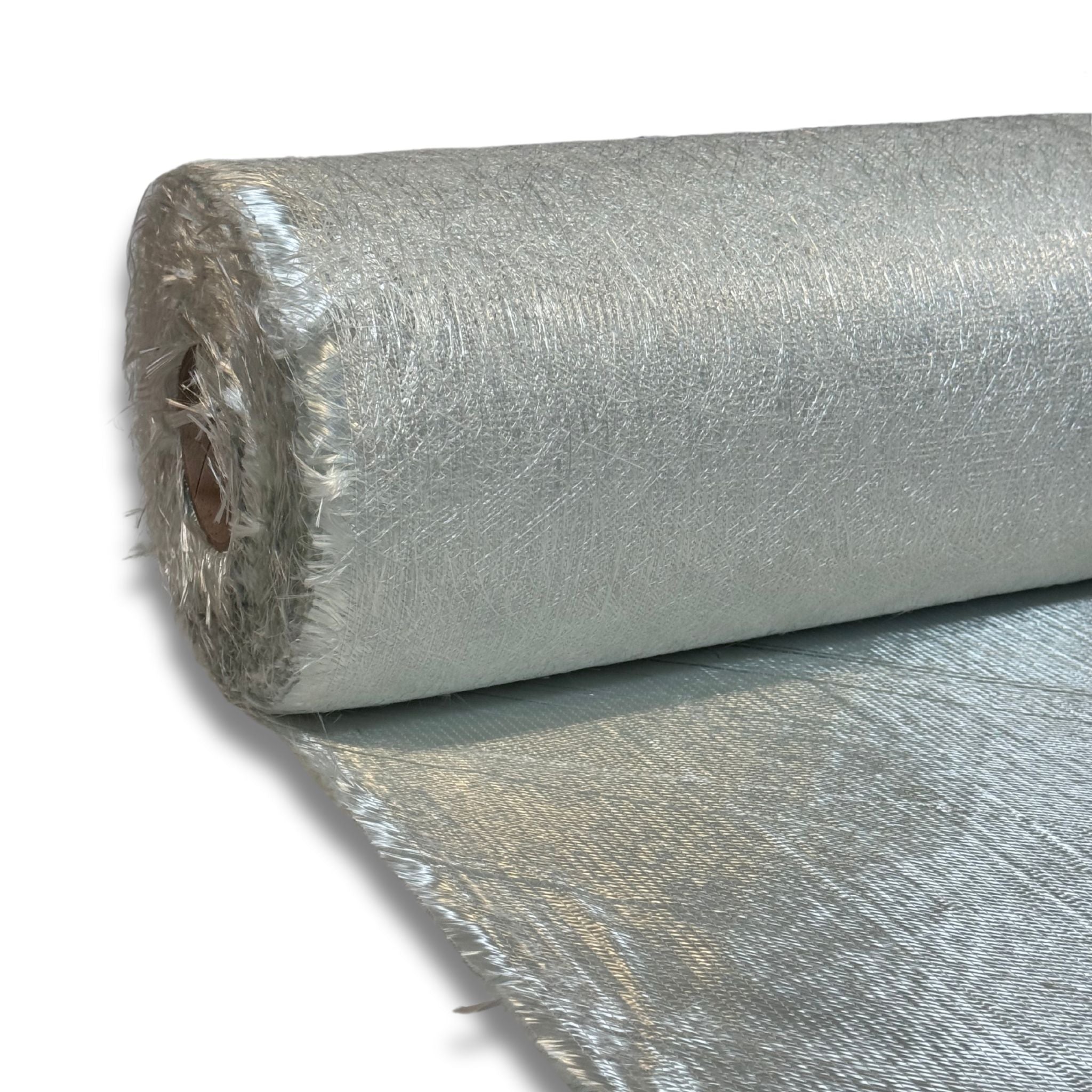
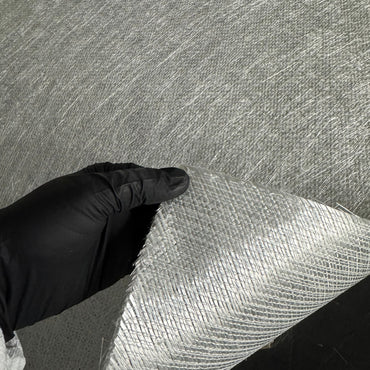
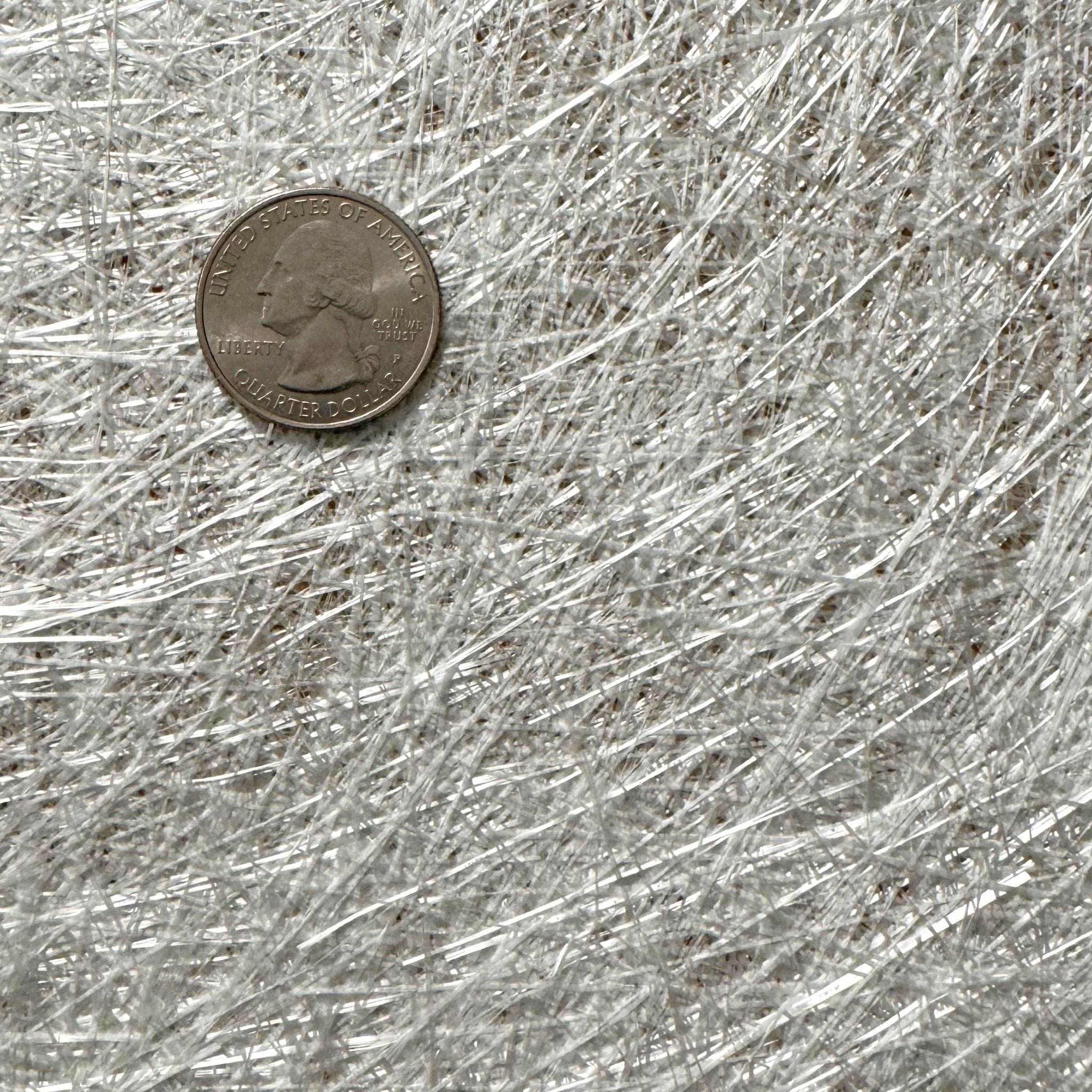
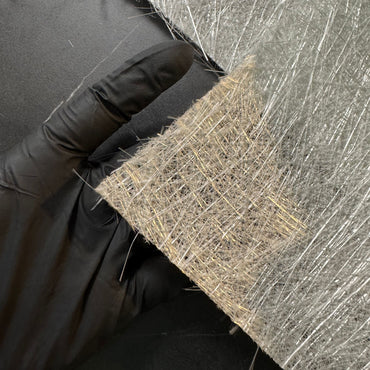
- 0.75oz Chopped Strand Mat - For curves and detail work
- 1.5oz Chopped Strand Mat - Standard structural work
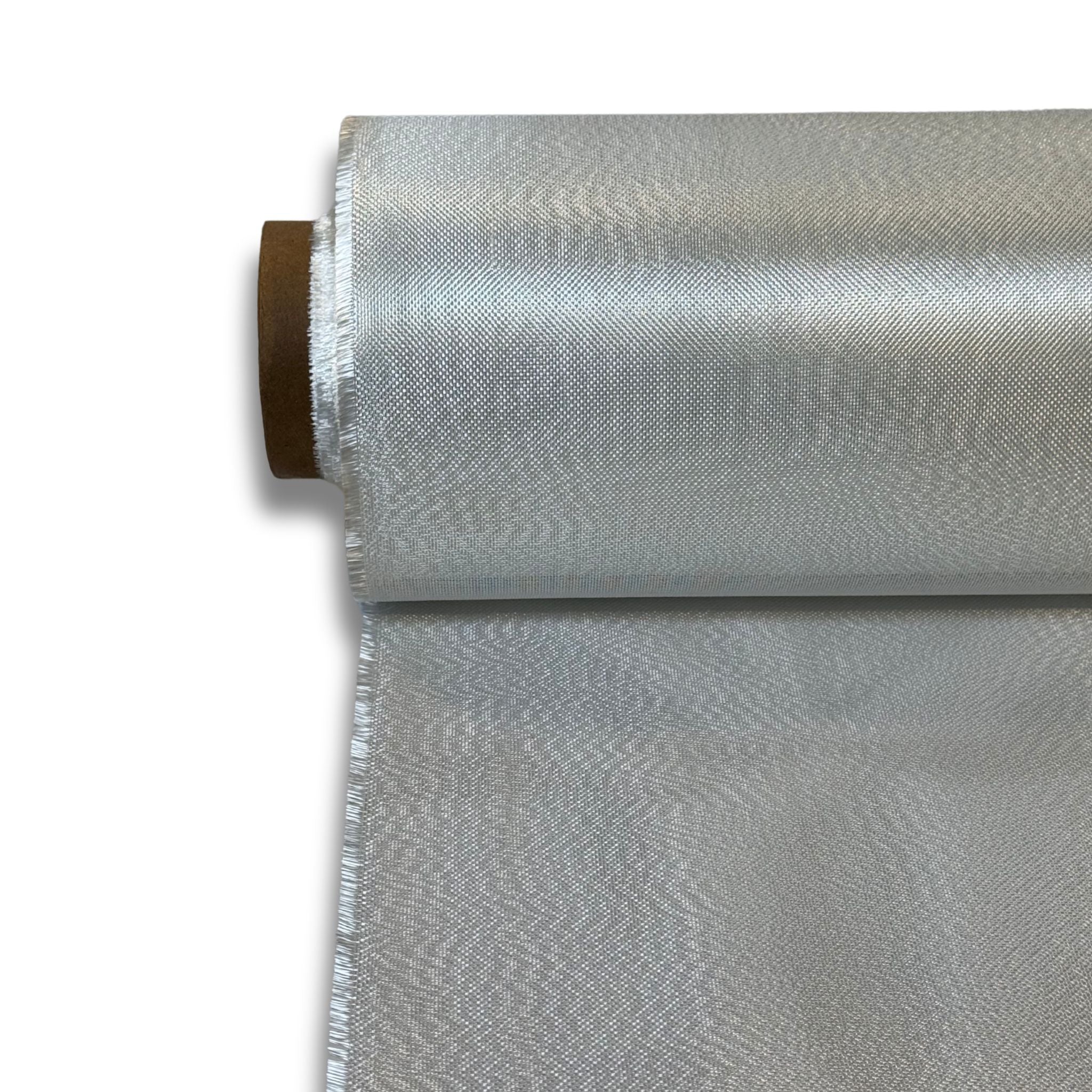
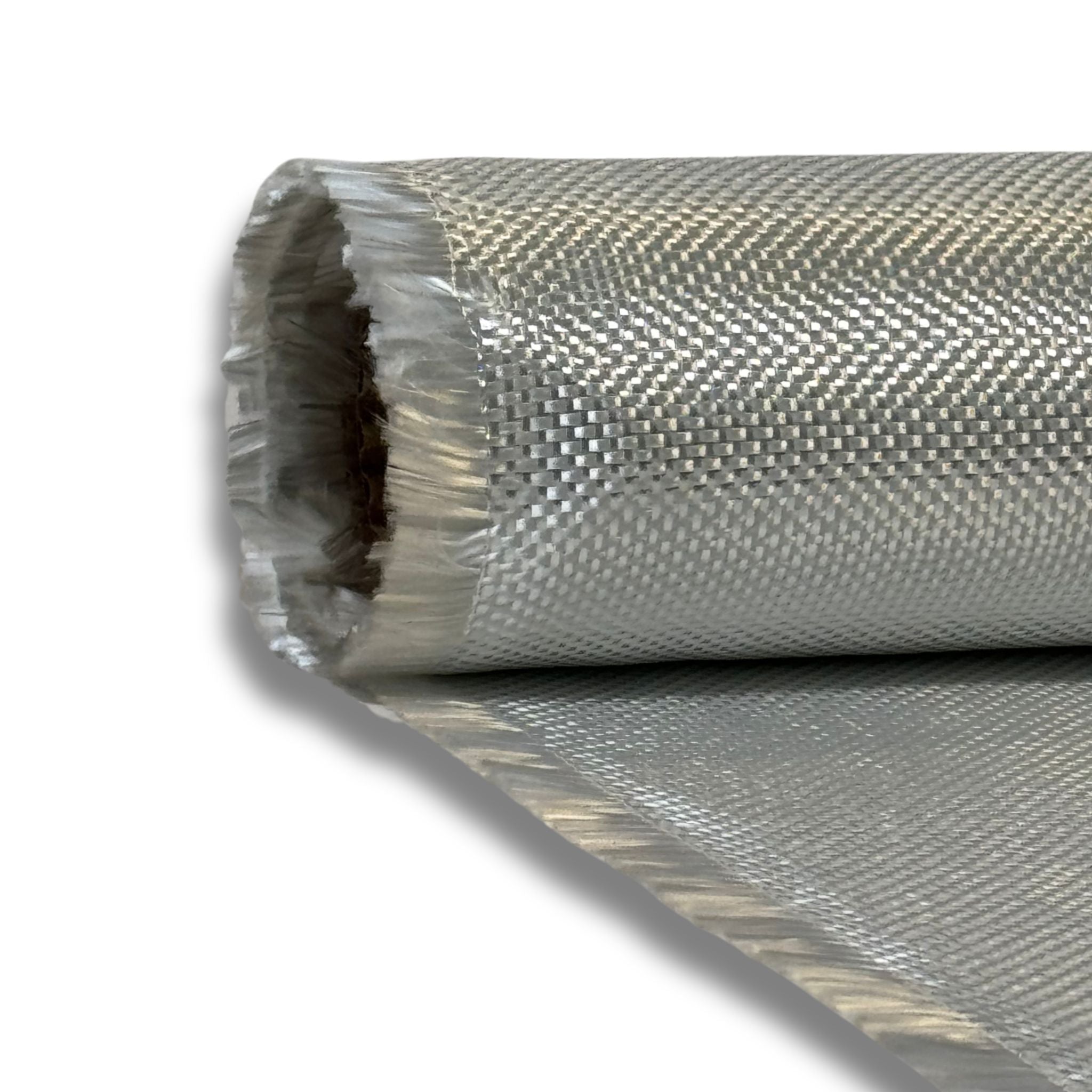
- 10oz Fiberglass Cloth - Maximum strength
- All Fiberglass Mat Products
Bottom Line
When in doubt, add another layer. Fiberglass is relatively cheap - boat repairs done twice are expensive. For structural applications like transoms and stringers, err on the side of more material.
Based in Jupiter and Fort Lauderdale, Florida, Boat Suppliers stocks fiberglass materials for DIY boaters and professional shops. Shop our full composites line.
Siguiente publicación

Resin Cleanup Made Easy: Boatyard-Pro Tips
Obtener dirección 01 March 2026